Introduction
There’s something magical about the aroma of freshly baked bread wafting through your kitchen, and the Classic Homemade French Baguette embodies that magic. Its crisp crust shields a soft, airy interior, inviting you to break it apart. Imagine tearing off a warm piece, slathering it with butter, and savoring each bite as the flavors dance on your palate.
With just a handful of simple ingredients – flour, water, yeast, and salt – you can achieve mastery over this timeless staple. This recipe not only fills your home with an enchanting fragrance but also presents a nourishing addition to any meal, from hearty soups to elegant cheese boards. Let’s dive into crafting this crusty, golden delight today!
Ingredients
- 3 ½ cups all-purpose flour
This is the backbone of your baguette. All-purpose flour strikes the perfect balance, giving structure while allowing for that airy crumb. - 1 ½ cups warm water (110°F)
Yeast thrives in warmth. Warm water activates the yeast, ensuring your baguette rises beautifully, creating those signature air pockets. - 2 teaspoons active dry yeast
The heart of fermentation, yeast converts sugars into gas, helping your dough rise and giving it that essential lightness. - 2 teaspoons salt
Salt enhances flavor and controls yeast activity. It’s crucial for balancing the taste and texture of your baguette. - 1 teaspoon sugar (optional)
A hint of sugar can aid fermentation and add a slight touch of sweetness, enriching the overall flavor profile.
Directions & Preparation
Step 1: Activate the yeast.
In a bowl, combine the warm water with the yeast and sugar. Let it sit for about 5-10 minutes until frothy. The tiny bubbles indicate your yeast is alive and ready to work its magic on your dough!
Step 2: Mix the dough.
In a large bowl, combine the flour and salt. Gradually add the yeast mixture while stirring, creating a shaggy dough. As you mix, feel how it transforms from a dry mixture to a cohesive, slightly sticky consistency. Embrace the tactile feedback!
Step 3: Knead the dough.
Turn your dough out onto a floured surface and knead for 8-10 minutes. You want to develop the gluten until it’s smooth and elastic. Use your palms to push the dough away and fold it back towards yourself—listen for the gentle stretch and pop!
Step 4: Let it rise.
Place the dough in a lightly oiled bowl and cover it with a damp cloth. Allow it to rise for 1-2 hours, or until doubled in size. This slow fermentation helps create complex flavors. Peek occasionally, and admire how it’s growing!
Step 5: Shape the baguettes.
Gently flatten the dough, then split it into two equal pieces. Shape each piece by rolling it into a long, thin loaf, tapering the ends. The sight of these elongated forms is a joy, and you’ll feel the anticipation of the golden crust to come.
Step 6: Second rise.
Place the loaves on a lightly floured baking sheet. Cover them again and let them rise for about 30 minutes. This is where they’ll gain even more volume and character. Observe the subtle puffiness!
Step 7: Score and bake.
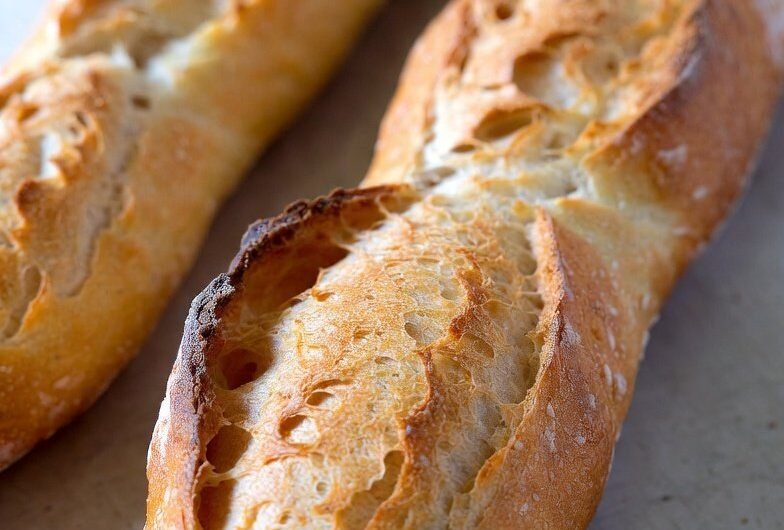
Preheat your oven to 450°F (232°C). Using a sharp knife, score the tops of the loaves at an angle. This allows the baguettes to expand as they bake. Bake them for 20-25 minutes until deep golden brown. Your kitchen will be filled with an intoxicating aroma as they bake, each crackle signaling they’re near perfection.
Step 8: Cool and enjoy.
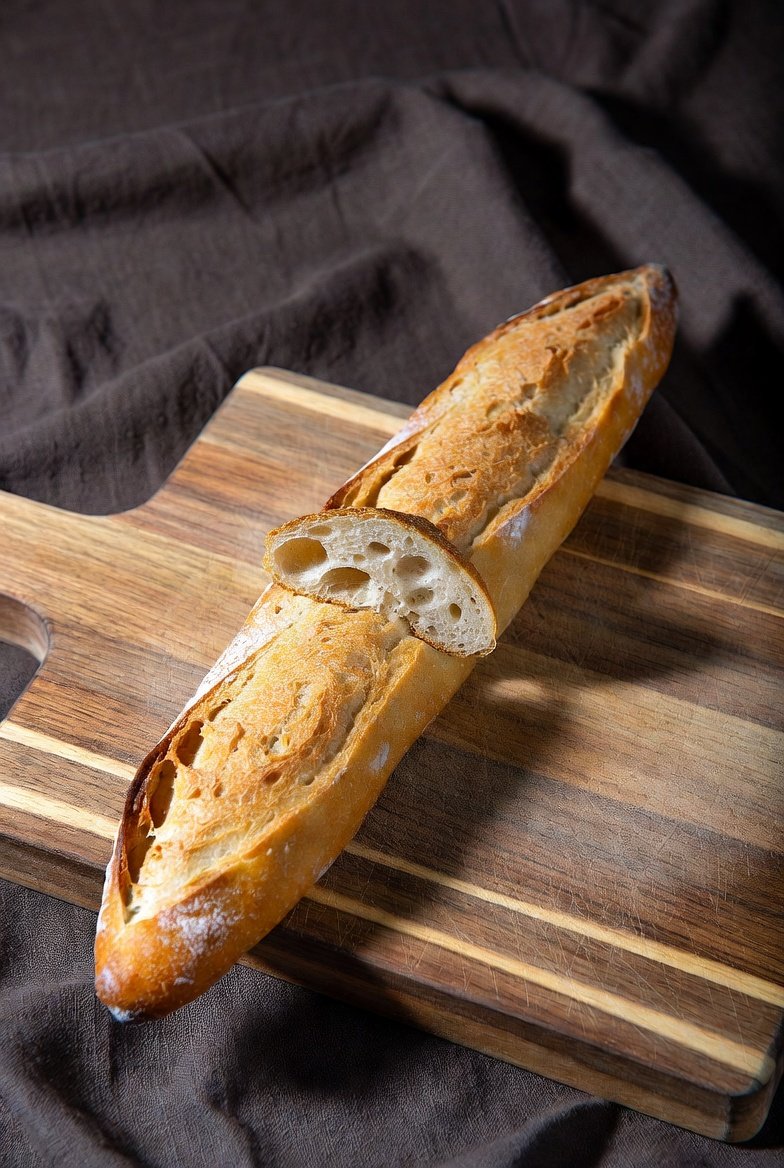
Once baked, transfer the baguettes to a wire rack to cool. Resist the urge to cut too soon—let them rest for about 15 minutes. Then, tear off a piece and revel in the crispy crust and soft interior. It’s a reward worth waiting for!
The Science Behind That Crusty Exterior
Achieving the perfect crust on your baguette requires a balance of steam and heat. When your loaves enter the hot oven, the steam interacts with the dough, creating an irresistible golden crust while keeping the inside tender. This process, known as the Maillard reaction, is what gives your baguette its signature taste and texture. By scoring the loaves, you’re allowing steam to escape, resulting in even more crustiness!
Mastering the Art of Dough Kneading
Kneading is where the magic happens. With each fold and stretch, gluten proteins align, forming a strong network that traps the gases produced by the yeast. This gives your baguette its lightness and airy texture. Pay attention to the feel of the dough; it should gradually shift from sticky to elastic. Kneading might seem simple, but it is essential for the baguette’s structure and final outcome.
Enhancing Flavor Through Fermentation
The long rise not only helps the dough develop its size but also deepens its flavor. During this time, gluten forms and flavors meld together. When the yeast ferments, it produces organic acids and alcohol, which contribute to the aromatic profile of your baguette. This complexity is what sets a homemade baguette apart from store-bought versions, making every bite a delicious experience.
FAQs
Why isn’t my baguette crust crispy?
A crispy crust requires steam during the initial baking phase. You can create steam by placing a pan of water in the oven or spraying the loaf with water before baking.
How can I scale this recipe for larger gatherings?
You can easily double or triple the ingredients, but remember that baking times may vary slightly. Ensure enough space on your baking sheets to allow even baking.
What should I do if my dough is too sticky?
If your dough is overly sticky, avoid adding too much flour. Instead, keep kneading—it should become less sticky as gluten develops. Alternatively, you can let it rest for a few minutes and try again.
Can I add herbs or spices to my dough?
Absolutely! Incorporating dried herbs like rosemary or thyme can elevate the flavor of your baguette. Mix them gently into the flour before adding the wet ingredients.
What’s the best way to serve a fresh baguette?
Fresh baguettes shine when served with a selection of cheeses, cured meats, or a simple dip of olive oil and balsamic vinegar. They’re also fantastic for sandwiches or toasted with garlic butter!
What can I do with stale baguette?
Don’t toss it! Stale baguette is perfect for breadcrumbs, croutons, or even a comforting bread pudding. You can also revive it by spraying with water and placing it in a warm oven for a few minutes.
Conclusion
Baking a Classic Homemade French Baguette isn’t just about putting ingredients together; it’s an experience that fills your heart and home with warmth. Once you’ve mastered this simple recipe, the joy of breaking bread takes on a whole new meaning. There’s something profoundly satisfying about creating something so universally loved from scratch.
As you embark on this baking journey, remember that each loaf is unique and a reflection of your care and effort. So roll up your sleeves, embrace the process, and savor every moment. You’ll find that the time spent making your baguette is as delightful as the first bite it brings!
Notes
Additional serving suggestions: pair with a crisp salad, garlic bread, or roasted seasonal vegetables for balance.
For make-ahead, prep components separately and assemble just before heating to preserve texture.
Taste and adjust with acid (lemon/vinegar) and salt right at the end to wake up flavors.