Introduction
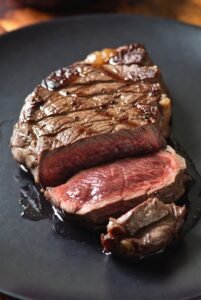
Imagine a tender, buttery filet mignon, perfectly seared to create a golden crust, while the interior remains juicy and full of flavor. A Classic Pan-Seared Filet Mignon is a dish that embodies luxury and comfort. The rich umami notes from the beef paired with a hint of garlic and the lush aroma of fresh herbs create an irresistible feast for your senses.
Cooking this steak at home isn’t just a treat; it’s an experience that transforms any evening into a celebration. With only a few quality ingredients, you can create a meal that rivals the finest steakhouse. It’s time to roll up your sleeves and indulge in the art of cooking a Classic Pan-Seared Filet Mignon that will have your loved ones singing your praises.
Ingredients
- 4 filet mignon steaks (6 oz each)
These tender cuts are the stars of the show, known for their rich flavor and buttery texture. Opt for high-quality, grass-fed beef for the best results. - Salt
A basic yet crucial ingredient, salt enhances the natural flavors of the steak. Use kosher or sea salt for an even seasoning. - Black pepper
Freshly cracked black pepper adds a warm, spicy kick that enhances the overall flavor profile. Avoid pre-ground for the best taste. - 2 tablespoons olive oil
This oil has a high smoke point, making it ideal for searing. It adds a subtle richness to the steak’s crust. - 2 cloves garlic, smashed
Garlic infuses the oil during cooking, lending its aromatic flavor to the steak while it sears. - 2 sprigs fresh thyme
Thyme adds an earthy aroma that complements the beef. Fresh herbs elevate the dish, but dried thyme can also work in a pinch. - 2 tablespoons unsalted butter
Butter adds a luxurious finish to the steak. It enriches the sauce created in the pan and adds a mouthfeel that delights.
Directions & Preparation
Step 1: Prepare the Steak
Start by taking the filet mignon out of the refrigerator and allowing it to come to room temperature for about 30 minutes. Pat it dry with paper towels to remove excess moisture. This ensures a perfect sear. While drying, sprinkle a generous amount of salt and freshly cracked black pepper on all sides. You should hear a satisfying crunch as the seasoning adheres to the surface.
Step 2: Heat the Pan
In a heavy skillet, preferably cast-iron, heat the olive oil over medium-high heat until it’s shimmering. You’ll know it’s ready when the oil starts to ripple slightly. This step is crucial; the high heat will create a beautiful browning effect on the meat. As the oil heats, it will gradually take on a golden hue, signifying that your pan is primed for cooking.
Step 3: Sear the Filets
Carefully place each filet mignon in the pan, ensuring not to overcrowd them. Listen for that satisfying sizzle as they make contact with the hot skillet; this is the sound of flavor developing. Sear for about 4-5 minutes without moving them, creating a crust. Proper browning is key; watch as the edges turn a deep golden brown and the center begins to change color.
Step 4: Add Garlic and Thyme
Flip the steaks gently and add the smashed garlic and thyme to the pan. You’ll immediately be greeted by an aromatic infusion that elevates the dish. Sear the other side for another 4-5 minutes for medium-rare. Tilt the pan to gather the melted fat and using a spoon, baste the steaks with this flavorful oil. This technique not only enhances the flavor but also keeps the filet juicy.
Step 5: Finish with Butter
Lower the heat slightly and add the butter to the pan. As it melts, use a spoon to baste the steaks continuously. The butter enriches the sauce while adding a rich, nutty flavor. After about a minute, when the steaks reach your desired doneness (130°F for medium-rare), transfer them to a plate and tent loosely with foil. Letting them rest allows the juices to redistribute.
Step 6: Serve
After resting for about 5-10 minutes, slice the filet mignon and plate with some of the drizzled garlic-herb butter from the pan. The moment you slice into the steak, you’ll see its rosy hue, a perfect indicator of the flavor within. Serve with your favorite sides to create an elegantly simple meal.
The Science of Searing: Why Temperature Matters
Searing meat is not just about aesthetic appeal; it’s about chemistry. When the filet mignon hits the hot surface, the Maillard reaction occurs, a complex series of chemical reactions that create those iconic brown flavors and aromas. This caramelization process significantly enhances the taste and appearance, transforming simple beef into an exquisite dining experience.
Resting Meat: A Crucial Step You Can’t Ignore
Allowing the meat to rest after cooking is essential for a juicy filet mignon. As the steak cooks, juices are pushed towards the center. If sliced too soon, those flavorful juices will escape. Resting redistributes the moisture, ensuring that every bite is succulent and bursting with flavor. It’s a small wait for a big payoff.
Pairing Sides: Balancing Flavors and Textures
When serving filet mignon, consider side dishes that enhance its quality. Creamy mashed potatoes or roasted vegetables add complementary textures, while a simple arugula salad provides freshness. Aim for balance; rich meats like filet mignon call for lighter, vibrant accompaniments to create a harmonious plate that excites the palate.
FAQs
What is the best cooking temperature for filet mignon?
For medium-rare, aim for an internal temperature of 130°F, while medium is closer to 140°F.
Can I use a non-stick pan instead of cast iron?
While you can, cast iron or stainless steel provides better browning due to their heat retention, which is essential for creating that crust.
What if my filet mignon is too thick?
If your steaks are thicker than 1.5 inches, consider finishing them in the oven at 400°F for a few minutes after searing to reach the desired doneness.
How can I tell if my steak is cooked to my liking?
Using a meat thermometer is the most reliable method; alternatively, you can press the steak and compare firmness with the fleshy part of your palm.
What’s a good substitute for thyme if I don’t have it?
Oregano or rosemary can be suitable substitutes; both offer earthy flavors that complement beef well.
Why is it important to let my steak rest?
Resting allows the juices to redistribute throughout the meat, preventing dryness and ensuring each bite is tender and flavorful.
Conclusion
A Classic Pan-Seared Filet Mignon is more than just a meal; it’s a celebration of flavor and technique. The next time you’re looking to elevate your dinner table, remember that this dish is within reach, pairing beautifully with your favorite sides and a glass of red wine.
So, gather your ingredients and prepare to impress your loved ones or treat yourself to an unforgettable culinary experience. Cooking this filet isn’t just about sustenance; it’s about indulging in the finer things in life—right in your own kitchen.
Notes
Additional serving suggestions: pair with a crisp salad, garlic bread, or roasted seasonal vegetables for balance.
For make-ahead, prep components separately and assemble just before heating to preserve texture.
Taste and adjust with acid (lemon/vinegar) and salt right at the end to wake up flavors.
